
happens after completing TMS
What happens after completing TMS? This is a common question for individuals nearing the end of their Transcranial Magnetic Stimulation treatment course or those considering the therapy for depression or other mental health conditions. TMS is typically administered over several weeks, often five days a week for six to eight weeks, depending on the protocol. Because the process involves consistent commitment and gradual improvement, many people wonder what comes next once the final session is completed.
After completing TMS, most patients continue to experience improvements in mood, energy, and overall functioning. Unlike medication, which can stop working if discontinued abruptly, the benefits of TMS can continue to build even after treatment has ended. This is due to the therapy’s effect on neuroplasticity—the brain’s ability to strengthen new neural pathways. Just as brain changes develop gradually throughout the treatment period, progress often continues for weeks or months after the last session. Many individuals describe feeling more stable, emotionally balanced, and capable of managing stress.
One of the first steps after completing tms near me is a follow-up evaluation with the supervising clinician. During this visit, the provider reviews the overall progress, assesses symptom improvement using standardized rating scales like the PHQ-9 or HAM-D, and discusses next steps. This might include recommendations for ongoing mental health support such as therapy, medication adjustments, or wellness strategies like exercise, sleep routines, mindfulness practices, or nutrition guidance. TMS is often most successful when combined with a holistic approach to mental health maintenance rather than used as a stand-alone treatment.
Another important part of the post-TMS process is monitoring long-term results. Many clinics schedule follow-up check-ins at intervals such as one month, three months, and six months after completing treatment. These check-ins help ensure that improvements are sustained and allow providers to address any concerns. Regular communication is helpful because every individual responds differently to TMS, and some may benefit from additional support over time.
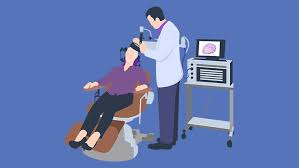
What happens after completing TMS?
Some patients choose to receive maintenance TMS sessions. Maintenance therapy is not required for everyone, but it can be beneficial for individuals who notice symptoms beginning to return or who are at high risk for relapse. Maintenance schedules vary from weekly to monthly depending on needs and clinical recommendations. For many, these occasional sessions help reinforce the treatment’s positive effects and reduce the likelihood of depressive symptoms returning.
Others may consider a brief booster series if symptoms reappear more noticeably. These booster treatments are shorter than the original full course and are designed to restore the progress achieved previously. The need for boosters varies widely; some people enjoy lasting remission without additional treatment, while others benefit from periodic reinforcement.
For those currently searching for providers using terms like tms near me, asking about post-treatment programs can be an important part of deciding where to receive care. It is helpful to learn how clinics track progress, what maintenance options they offer, and how they support patients after the primary treatment series ends. Strong follow-up care contributes to long-term success.
Ultimately, what happens after completing TMS is a period of stabilization, continued improvement, and growing confidence in daily functioning. Many people report rediscovering interests, rebuilding relationships, and experiencing a renewed sense of purpose. Completing TMS is not the end of a journey but often the beginning of a healthier and more hopeful life.
