
implied terms in an employment contract
What are implied terms in an employment contract? Many employees believe that only the written parts of their agreement matter, but the reality is more complex. An Employment Contract can contain both express terms and implied terms. Express terms are written or clearly stated, while implied terms are not explicitly mentioned but still form part of the employment relationship. These implied terms arise from law, custom, workplace practice, or common expectations, and they play a crucial role in defining rights and responsibilities on both sides.
Even when certain expectations are not printed in an Employment Contract, the law often assumes that basic standards apply to every working relationship. For example, employers are required to provide a safe work environment, pay employees for the work they perform, and treat them fairly and respectfully. These obligations are not always written down, but they are implied because they are essential to maintaining lawful and ethical employment. Likewise, employees are expected to follow instructions, perform duties with reasonable care, and act in the employer’s best interests while at work, even if these expectations are not written explicitly.
Implied terms can also come from consistent workplace practice. If an employer has provided certain benefits, paid breaks, or flexible hours for many years, these practices may become implied terms of the job. Even without specific wording in the Employment Contract, employees may be entitled to expect those conditions to continue. Changes to long-standing workplace patterns without consultation can lead to conflict because employees may feel that an implied term has been violated.
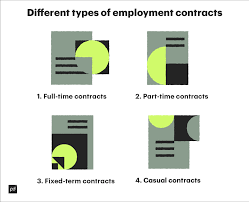
What are implied terms in an employment contract?
Another source of implied terms arises from industry norms and professional standards. Some professions follow widely accepted practices, such as confidentiality in legal and medical fields or ethical conduct in financial services. Courts may interpret these expectations as implied terms of employment if they are considered universal in that profession. This means that employees can be held to obligations—and receive protections—even if a particular expectation is absent from the written document.
Mutual trust and confidence are also considered an implied term in most employment relationships. Even if not stated directly in the Independent contractor agreement vs employment contract, both parties are expected to avoid actions that damage the working relationship. For employers, this means avoiding harassment, discrimination, or sudden major changes to working conditions without consultation. For employees, it means avoiding dishonesty, misconduct, or actions that harm the employer’s business. When mutual trust breaks down, either side may claim that the implied term has been breached.
It is important to remember that implied terms do not override clear written terms. If something is written explicitly in the agreement, it usually takes precedence over implied assumptions. However, implied terms fill the gaps where the contract is silent, ensuring that the employment relationship remains lawful and functional. Employees should understand that not every right or obligation must be written to be enforceable. Employers should recognize that responsibility goes beyond the literal wording of the agreement.
Ultimately, implied terms support fairness and stability in the workplace. They ensure that every Employment Contract functions even when not every detail is written out. By understanding both express and implied terms, employers and employees can better navigate their obligations and maintain a respectful, cooperative working environment.
