Healthcare Chatbot Development Company: Building Smarter Digital Care Experiences

A healthcare chatbot development company helps medical organizations use artificial intelligence to improve communication, automate routine interactions, and make healthcare services more accessible. As patients increasingly look for convenient digital experiences, hospitals, clinics, diagnostic centers, pharmacies, and healthcare platforms are adopting intelligent chatbots to support everyday communication.
Healthcare chatbots can understand user questions, provide relevant information, assist with administrative tasks, and guide patients through common processes. When designed responsibly, these solutions can complement healthcare professionals while reducing repetitive workloads and improving the overall patient experience.
What Is Healthcare Chatbot Development?
Healthcare chatbot development involves creating AI-powered conversational applications specifically for healthcare-related use cases. These chatbots can be integrated into websites, mobile applications, patient portals, messaging platforms, and other digital healthcare systems.
A healthcare chatbot can be designed to answer frequently asked questions, help users find services, provide appointment information, collect basic details, and direct patients to appropriate resources. More advanced solutions can integrate with authorized healthcare systems to support administrative workflows.
The chatbot’s functionality should always be carefully designed according to the organization’s requirements, applicable regulations, and the intended level of patient interaction.
Benefits of Healthcare Chatbots
One of the major benefits of healthcare chatbots is improved accessibility. Patients can interact with a digital assistant at any time to obtain general information or assistance with routine requests. This can reduce waiting times and provide a convenient communication channel.
Chatbots can also automate repetitive administrative tasks. Appointment scheduling, appointment reminders, department information, service inquiries, and basic registration assistance can potentially be handled through automated conversations.
Another advantage is reduced workload for healthcare staff. By managing routine questions, chatbots can allow administrative and support teams to focus on more complicated requests that require human attention.
Personalized Patient Experiences
A professional healthcare chatbot development company can create solutions that provide more personalized digital experiences. Depending on the system design and available permissions, a chatbot may use relevant patient or service information to guide users through appropriate processes.
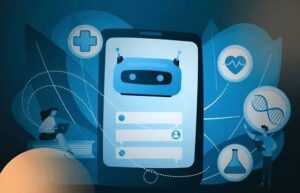
For example, a hospital chatbot can help users locate departments, understand visiting procedures, or find information about available services. A clinic chatbot can assist with appointment-related communication and provide general preparation instructions approved by the organization.
It is important that healthcare chatbots clearly distinguish between general information and professional medical advice. Sensitive or urgent situations should be appropriately escalated to qualified healthcare professionals or emergency services.
Integration With Healthcare Systems
Integration is an important part of healthcare chatbot development. A chatbot can potentially connect with appointment management platforms, patient portals, CRM systems, hospital information systems, knowledge bases, and other approved applications.
These integrations can help automate workflows and reduce the need for users to switch between different platforms. For example, a chatbot may assist with appointment requests or retrieve approved service information from an organization’s knowledge base.
All integrations should be implemented with appropriate security, authentication, authorization, and privacy controls.
AI and Natural Language Processing
Modern healthcare chatbots can use natural language processing to understand different ways patients express their questions. Instead of requiring users to select rigid menu options, conversational AI can interpret natural language and provide relevant responses.
AI capabilities can also help categorize requests, identify when a conversation requires human intervention, and improve the efficiency of support workflows. However, healthcare applications require careful testing, monitoring, and human oversight to minimize the risk of inappropriate or misleading responses.
Choosing the Right Development Partner
Choosing an experienced healthcare chatbot development company is important for building a reliable solution. A capable development team should understand conversational AI, healthcare workflows, software integration, data security, user experience, and compliance requirements.
The development process may include requirement analysis, chatbot strategy, conversation design, technology selection, integration, testing, deployment, monitoring, and ongoing optimization.
Conclusion
A healthcare chatbot development company can help medical organizations introduce intelligent automation while creating more convenient digital experiences for patients and staff. From appointment assistance and service information to administrative support, healthcare chatbots can handle a wide range of routine interactions.
With secure architecture, responsible AI practices, appropriate human escalation, and continuous improvement, healthcare organizations can use chatbot technology to enhance communication and operational efficiency while keeping patient needs at the center of the digital experience.
